
About
The Maker
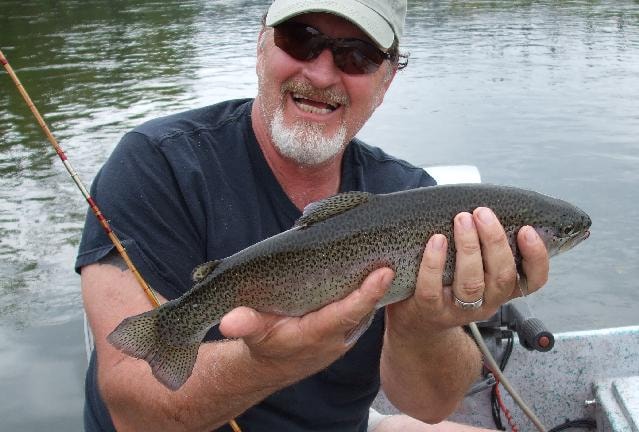
Bob Nunley has spent almost 4 decades learning what it takes to build a rod that fishes as well as it looks. Every piece that leaves his bench in Mountain Home, Arkansas carries that accumulated knowledge.
Background
How It Started
Bob came to rod building the way most serious anglers do — through an obsession with the fish and the water, and a growing dissatisfaction with what was available off the shelf. He wanted a rod that matched his casting style, his home water, and his eye for detail. He couldn't find one. So he built it.
That first rod led to another, and another. Over time the work became less about filling a personal need and more about the craft itself — the geometry of a taper, the behavior of Tonkin cane under load, the way a well-placed silk wrap can make a functional object beautiful.
Today Bob builds a small number of rods each year in his workshop in the Arkansas Ozarks. Each one is a commission — designed around a specific angler, for specific water.
Approach
One Rod at a Time
No production runs
Every rod is a single commission. Bob does not build inventory or spec rods. If you want one, you work with him directly from the first conversation.
Tonkin cane only
Bob works exclusively in Tonkin bamboo — the material that defined the fly rod for over a century. It is demanding to work with and unmatched in the hand.
Built to outlast its owner
A properly built bamboo rod does not wear out. Bob builds with that in mind — every joint, every wrap, every finish coat is done as if the rod will be fished for the next 100 years.
Engraving
Beyond the Rod
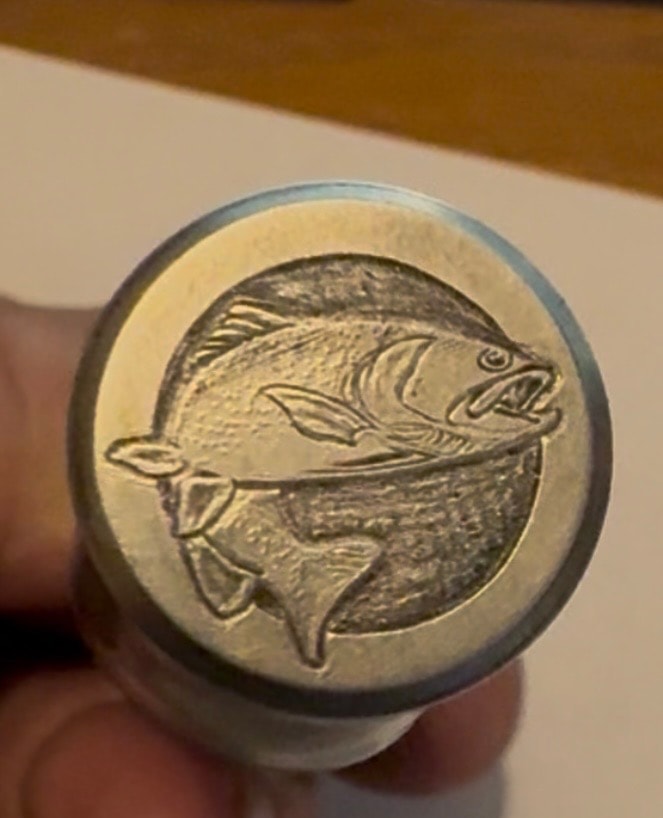
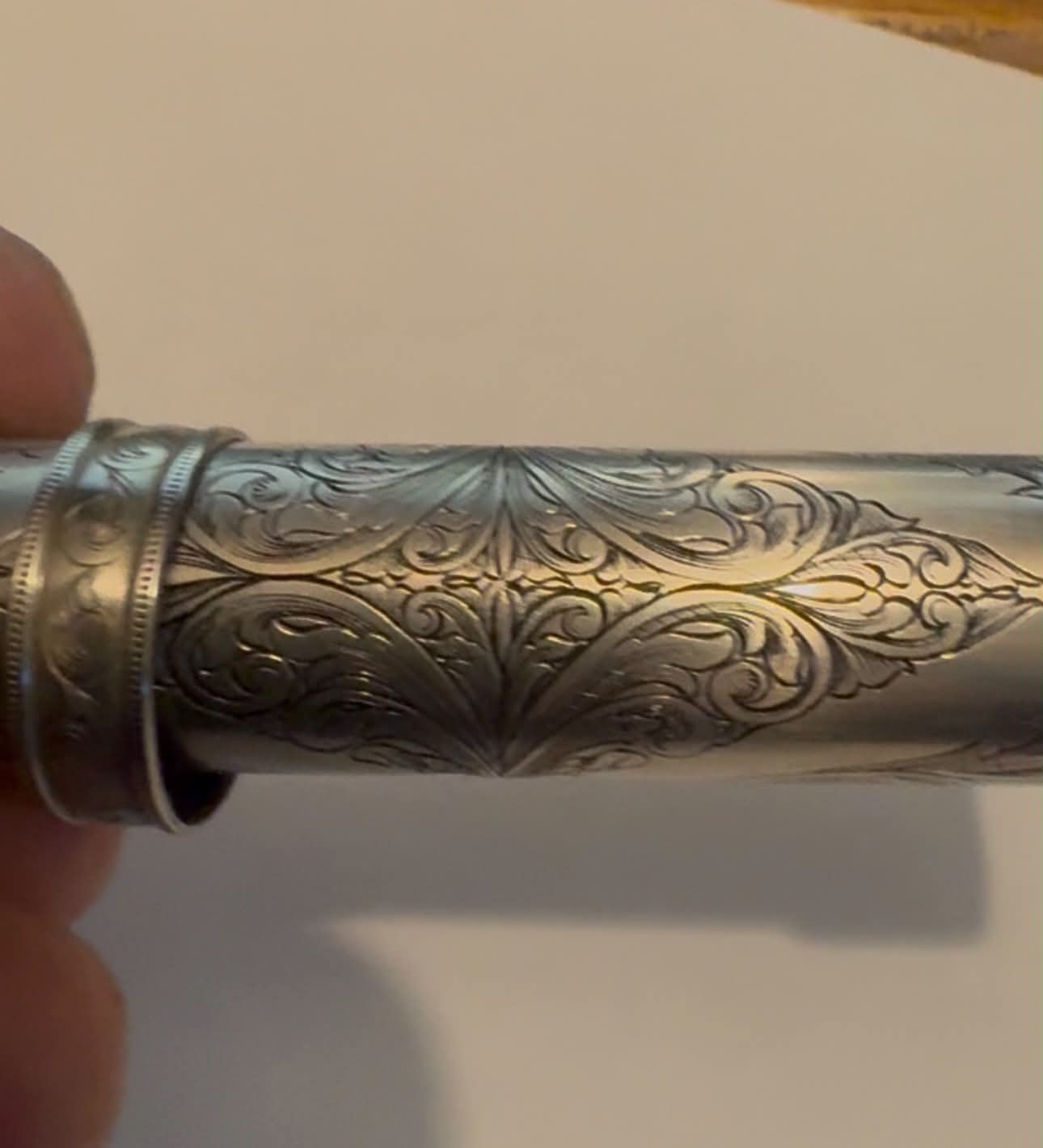
Bob's engraving work extends beyond rod hardware. He takes on custom engraving commissions for knives, jewelry, pendants and other metal objects — the same hand-cut precision that goes into a reel seat applied to whatever the piece demands. If you have something in mind, reach out.
Engraving commissions are quoted individually. Contact Bob to discuss your project.
Work With Bob
Commissions are limited. If you're serious about a rod — or an engraving project — the first step is a conversation.